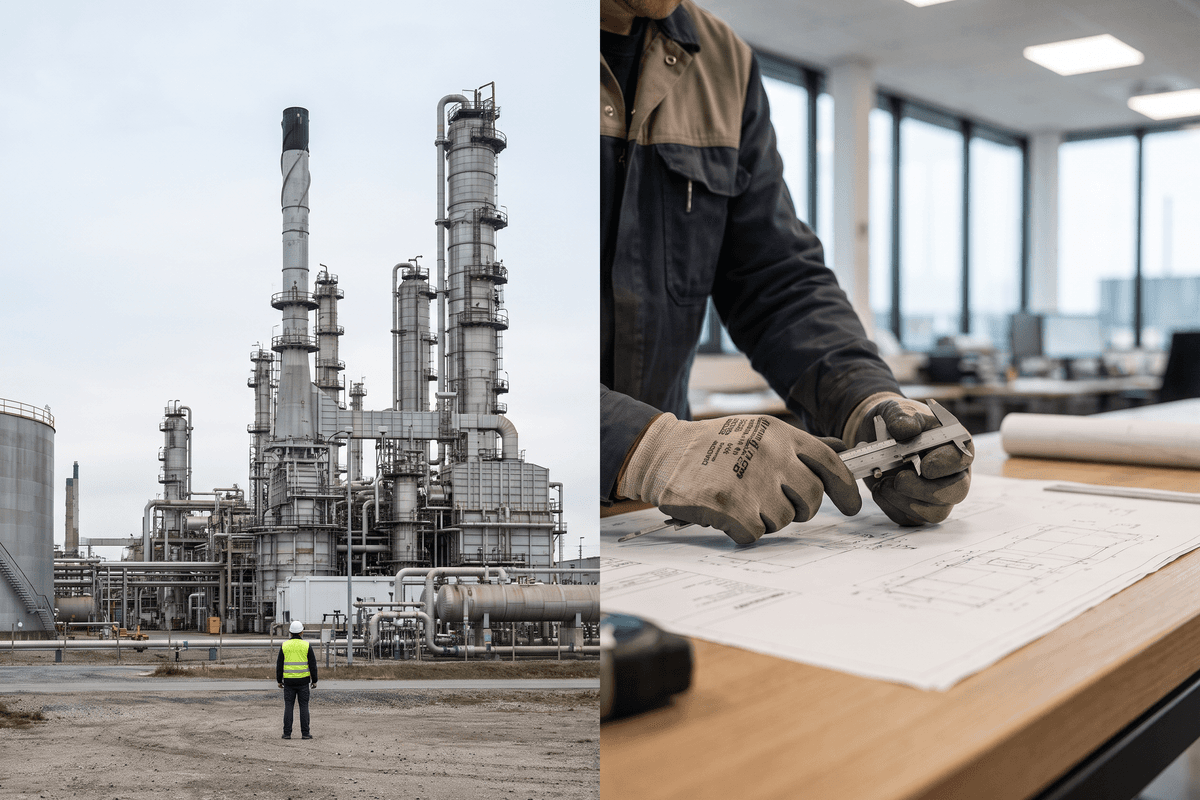
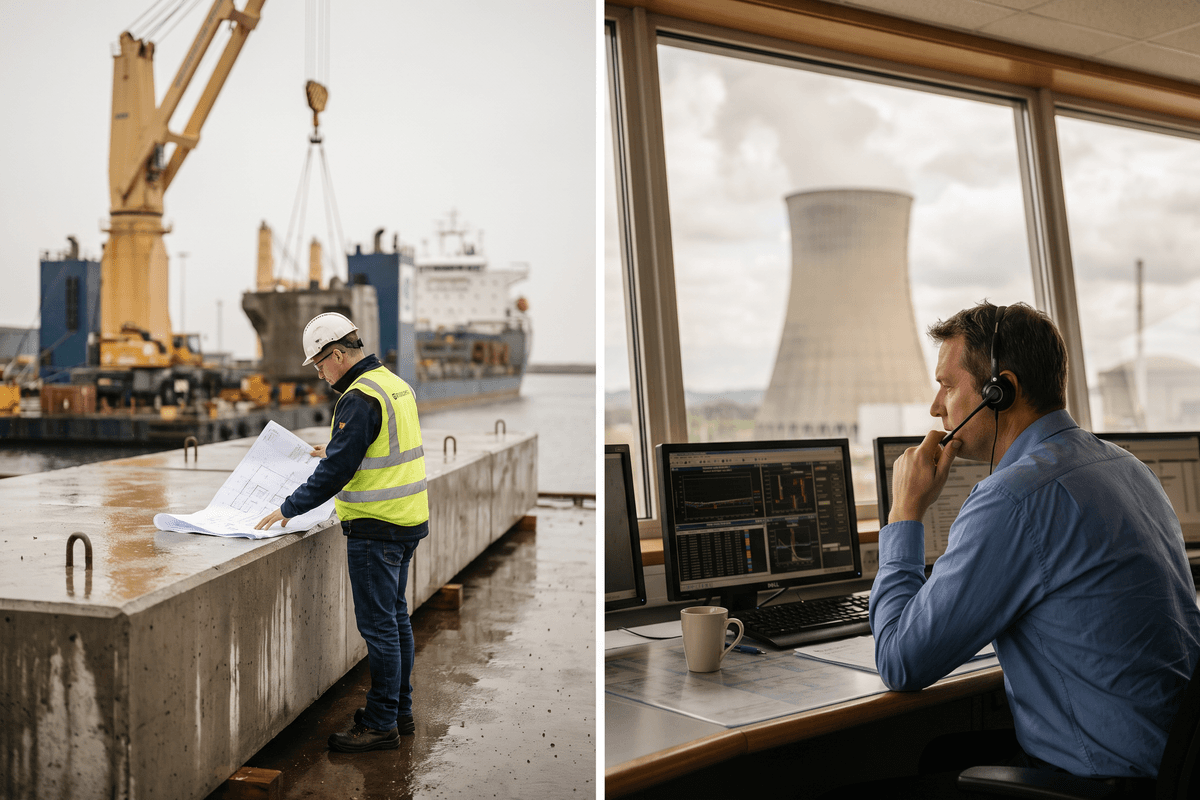
The Canadian engineering landscape is undergoing a structural bifurcation driven by two relentless forces: unprecedented global consolidation at the multi-billion-dollar enterprise level and razor-sharp technical precision on domestic industrial sites. As Montreal-based engineering heavyweight WSP Global Inc. intensifies its pursuit of European powerhouse Arcadis NV, engineering leaders across Canada are confronting a marketplace where global delivery scale must seamlessly interface with localized, modular execution and heightened operational risk management.
Whether navigating transatlantic mega-mergers, finalizing process engineering packages for critical mineral supply chains, or deploying artificial intelligence to mitigate supply chain ...
For decades, the physical and computational limits of engineering were fixed parameters. You could only simulate fluid dynamics up to a certain resolution before classical supercomputers choked; you could only build aerospace infrastructure at a bespoke, artisanal pace; and your professional credentials often stopped at the border. Today, those parameters are dissolving. A ...
In the business of engineering, a backlog is traditionally viewed as a safety net—a buffer against macroeconomic volatility and a guarantor of future revenue. But when that backlog swells to a staggering, record-breaking CA$20.1 billion, it ceases to be a mere net. It becomes the entire ecosystem.
This week, Montreal-based engineering giant WSP Global (TSX:WSP) sent a ...
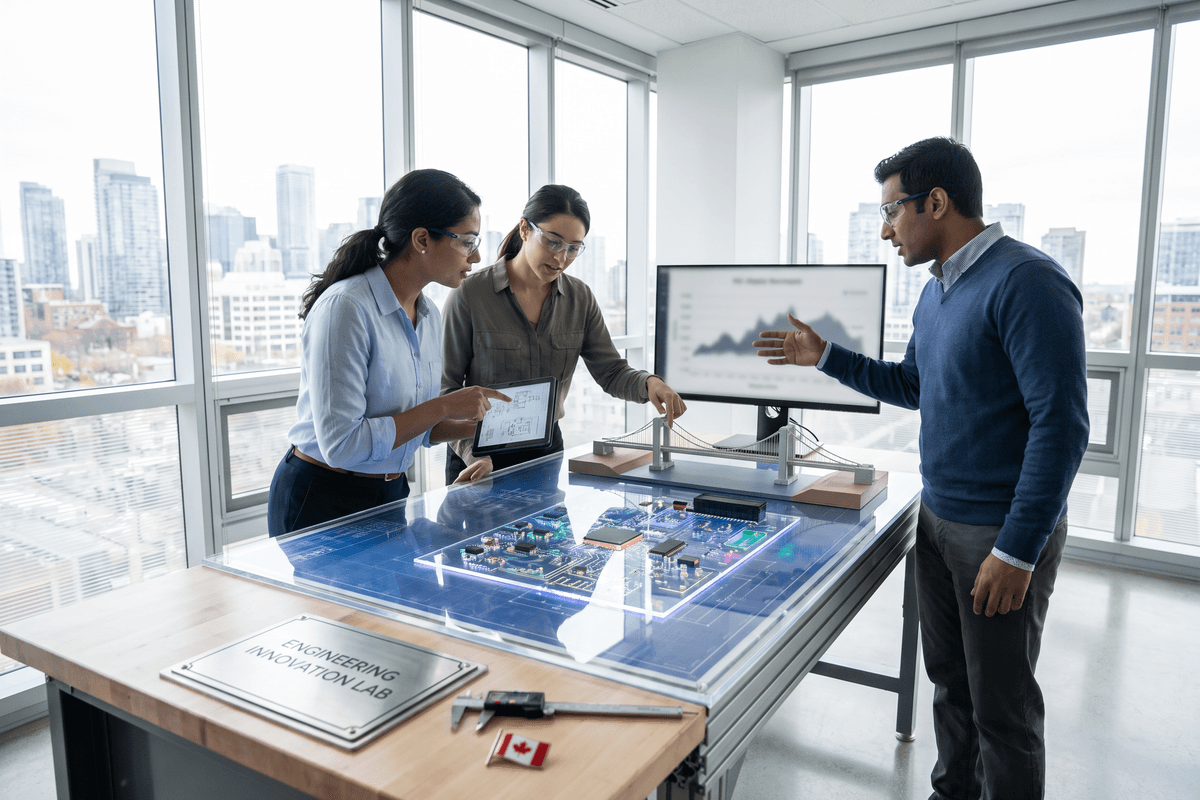
For decades, the Canadian engineering sector has wrestled with a frustrating paradox: we are world-class at generating intellectual property in our universities, but we routinely stumble when it comes to commercializing those innovations into market-ready industrial applications. Too often, breakthrough engineering concepts get stranded in the "valley of death"—the perilous ...
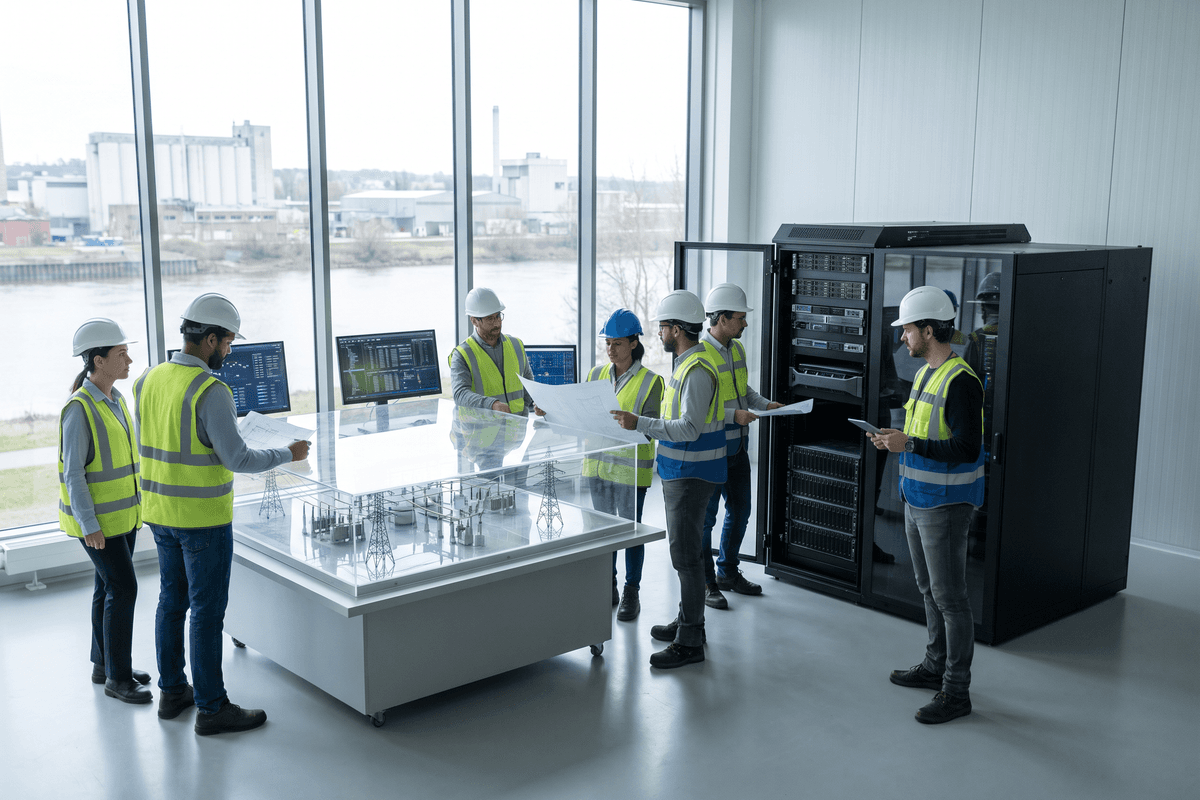
The generative artificial intelligence revolution has a poorly kept secret: it is insatiably power-hungry. While the tech sector fixates on semiconductor yields and algorithmic efficiency, the true bottleneck of the AI era is fundamentally an engineering problem—specifically, the generation, transmission, and management of electrical baseload. As hyperscale data centres ...
For decades, the concept of wireless power transmission (WPT) has been largely confined to the realm of consumer convenience—a charging pad for a smartphone, a dock for a smartwatch, or an electric toothbrush. But as the energy demands of autonomous systems, industrial sensors, and electric vehicles (EVs) scale up, the engineering paradigm is shifting abruptly. The transition ...
In the span of a single week, the trajectory of Canadian engineering was perfectly encapsulated by two distinct, yet fundamentally connected, developments. In southwestern Ontario, a legacy automotive partnership doubled down on the microscopic intricacies of battery cell chemistry. Halfway across the world in the United Arab Emirates, a Canadian engineering giant was tapped ...
In the global arms race for artificial intelligence dominance, the technology sector has largely operated on a familiar Silicon Valley mandate: move fast and break things. But for the engineering profession—where "breaking things" can mean structural failures, compromised power grids, or hardware malfunctions—that ethos is not just irresponsible; it is professional ...
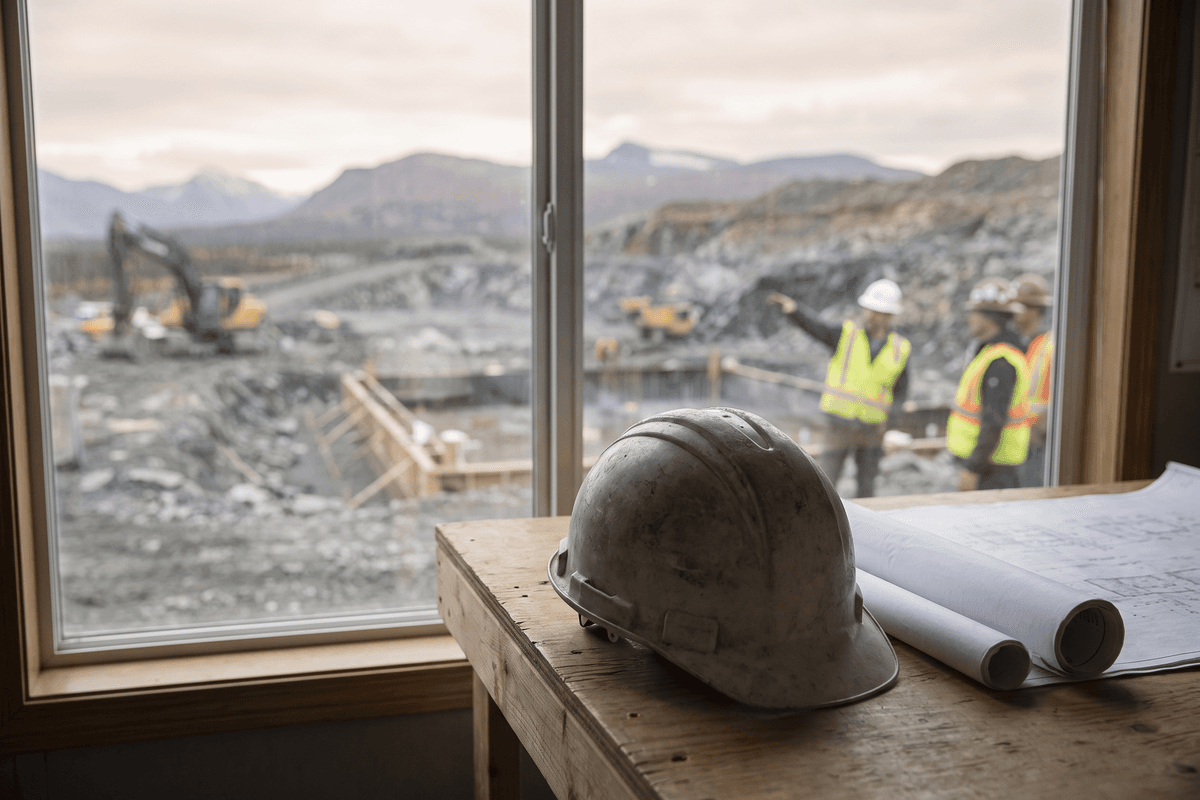
The definition of a Canadian "megaproject" is being aggressively rewritten. For decades, the engineering sector operated comfortably within the boundaries of incremental infrastructure expansion—adding lanes, upgrading municipal treatment facilities, and maintaining existing power grids. Today, driven by the dual pressures of extreme climate adaptation and a generational ...
Before a single timber is framed or a concrete foundation is poured, a housing development is fundamentally a civil engineering problem. For years, Canada’s national discourse on housing has been dominated by zoning debates, interest rates, and lumber costs. But the true bottleneck to density is entirely invisible to the average citizen: the subterranean networks of drinking ...
The faceted ring worn on the pinky of the working hand is the most universally recognized symbol of Canadian engineering. For nearly a century, the Ritual of the Calling of an Engineer has been a rite of passage almost exclusively reserved for graduates of traditional university programs. But this spring, the ring graced the hands of a cohort that represents a profound ...
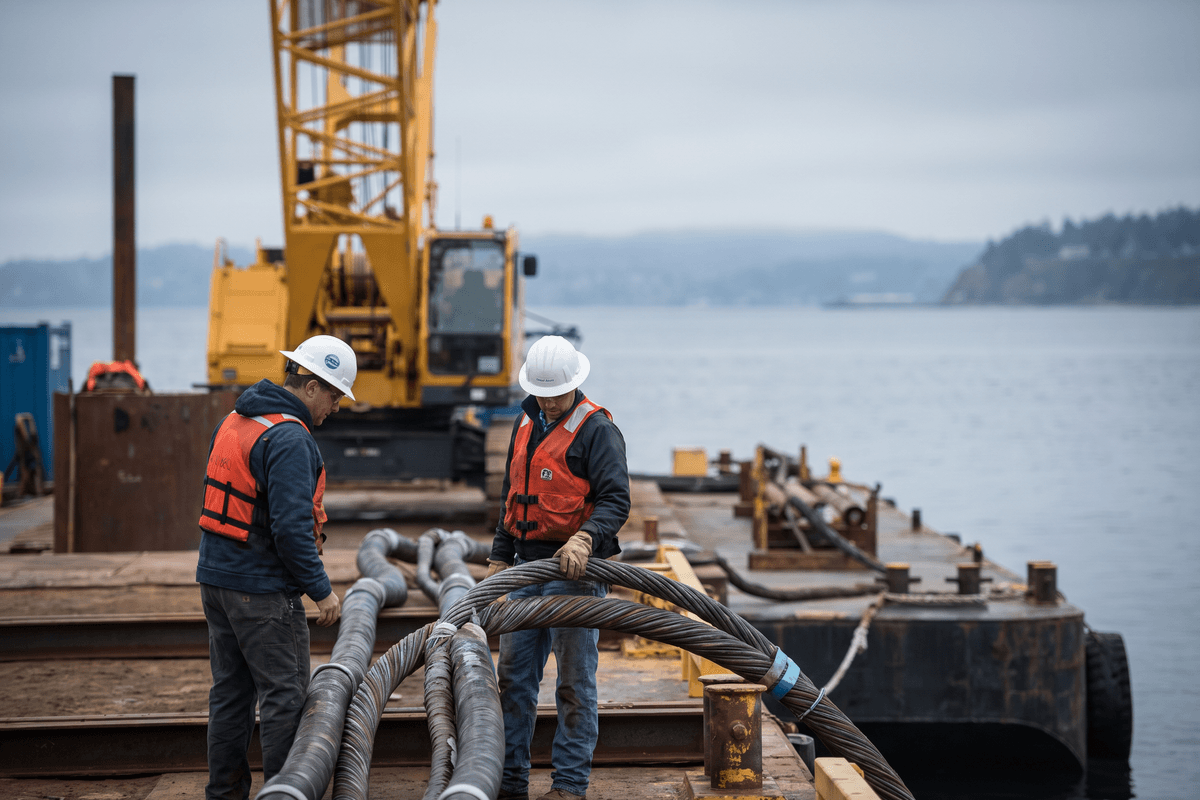
Prince Edward Island’s energy security is, quite literally, anchored to the ocean floor. Separated from the mainland by the notoriously turbulent Northumberland Strait, the island province relies on subsea transmission cables to import roughly 60 percent of its electricity. But as electrification accelerates and the province pushes toward ambitious net-zero targets, the ...
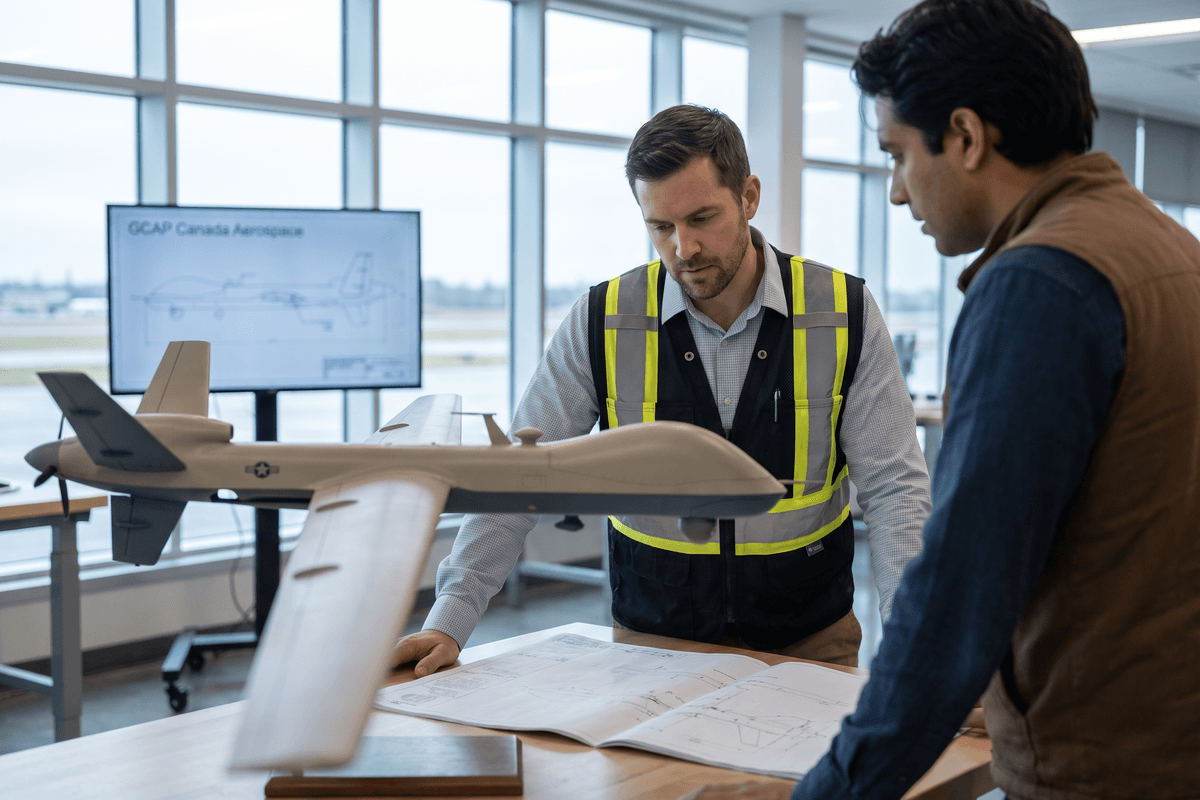
When the federal government recently secured observer status in the Global Combat Air Programme (GCAP) , it barely registered on the radar of the average Canadian. But for the nation's engineering sector, it signals a generational pivot. GCAP—a massive multinational initiative led by the UK, Japan, and Italy to develop a sixth-generation stealth fighter—is fundamentally a ...