LF logo
by learnformula
search
Log in
search
Courses/Water Resources/Hydrology, Riverine, and Groundwater

Hydraulic and Hydrological Modelling in Infrastructure Practice

Transform hydrological data into resilient design solutions by mastering the practical water simulation models that drive modern civil infrastructure.
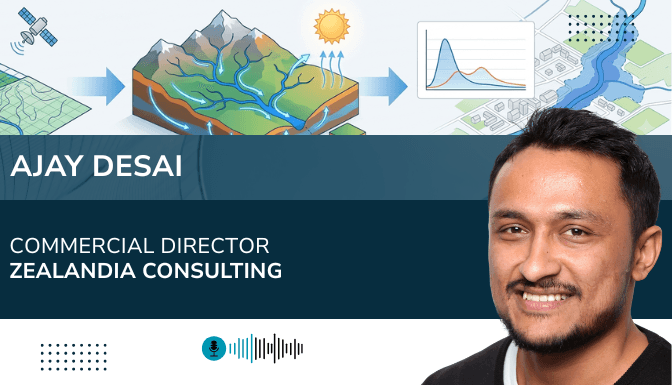
Created byAjay Desai
BeginnerUpdated Jul 29, 2026
Hydraulic and Hydrological Modelling in Infrastructure Practice

What You'll Learn

check_circleExplain how modelling supports infrastructure planning and investment decisions
check_circleIdentify limitations and uncertainties within hydraulic and hydrological models
check_circleAssess relationships between model assumptions and real-world infrastructure performance
check_circleEvaluate practical approaches for improving model reliability and decision-making confidence
check_circleApply engineering judgement when communicating modelling outcomes to stakeholders

About This Course

Water infrastructure decisions increasingly depend on sophisticated hydraulic, hydrological, wastewater, and flood models. These tools influence investment priorities, growth planning, flood mitigation, network upgrades, regulatory compliance, and resilience strategies. Yet models are only as effective as the assumptions, data, governance frameworks, and engineering judgement that underpin them. Poor interpretation can lead to overinvestment, underperformance, misplaced confidence, or infrastructure that fails to respond effectively to real-world conditions.

This session examines water modelling from a practical engineering and decision-making perspective. The webinar explores how models are developed, validated, interpreted, and applied across three waters infrastructure, flood management, growth planning, and climate resilience projects. Participants will gain practical insight into how engineers can balance technical rigour, uncertainty, stakeholder expectations, and real-world delivery considerations when using models to support infrastructure decisions.

Key Topics Discussed:

  • Hydraulic and hydrological modelling fundamentals
  • Three waters modelling applications
  • Flood modelling and risk assessment
  • Wastewater network performance modelling
  • Growth planning and infrastructure capacity forecasting
  • Calibration, validation, and model confidence
  • Climate change assumptions and scenario testing
  • Communicating uncertainty to decision-makers
  • GIS, digital twins, and emerging modelling technologies
  • AI applications in water modelling
  • Common modelling pitfalls and decision-making risks
  • Lessons from infrastructure and flood resilience projects

Your Instructor

Ajay Desai
Ajay Desai

Commercial Director | Zealandia Consulting

menu_book1 courses

Ajay is a highly experienced civil engineer with a Master’s degree in Civil Engineering, specialising in Water Resources and Environmental Engineering. He brings international experience in civil, water, catchment, and infrastructure projects, with a practical focus on integrated water management and sustainable infrastructure. At Zealandia, Ajay leads the engineering practice, providing technical leadership and mentoring across the project portfolio. He brings strategic insight, deep technical expertise, and a solutions-focused approach to helping clients navigate complexity and deliver resilient, future-ready outcomes for communities and ecosystems.

Credit Information

What Students Are Saying

0.0
Student's Choice
0 reviews

Frequently Asked Questions

We are a registered provider with 327+ associations and regulatory bodies worldwide. We operate across 29 global markets including Canada, the US, Australia, and the UK. Every course page clearly displays its specific accreditations. Upon completion, you receive a professional certificate that can be validated online. Our certificates include all necessary accreditation details, credit hours, and completion dates, and are formatted specifically to meet the submission requirements of most global regulatory bodies.