Transform commercial properties into high-performance, net-zero assets with proven decarbonization strategies and advanced energy retrofits.
Canada’s commercial building stock is a major contributor to national greenhouse gas emissions, and achieving meaningful reductions will depend on transforming existing buildings rather than relying on new construction alone. Deep energy retrofits—comprehensive upgrades that deliver energy reductions of 40% or more—are now central to meeting federal and provincial climate targets and preparing assets for a net-zero future.
This course equips professional engineers with a structured, practical approach to planning and delivering deep energy retrofit projects in commercial buildings. It bridges core engineering strategies—such as energy auditing, envelope upgrades, HVAC electrification, lighting systems, and renewable integration—with Canada’s evolving regulatory framework, including NECB 2025 performance tiers, provincial code adoption timelines, and emerging decarbonisation planning tools. Participants will learn how to develop defensible, investment-ready retrofit pathways that align technical solutions with financial and regulatory realities across diverse building types and climate zones.
Key Topics Discussed:

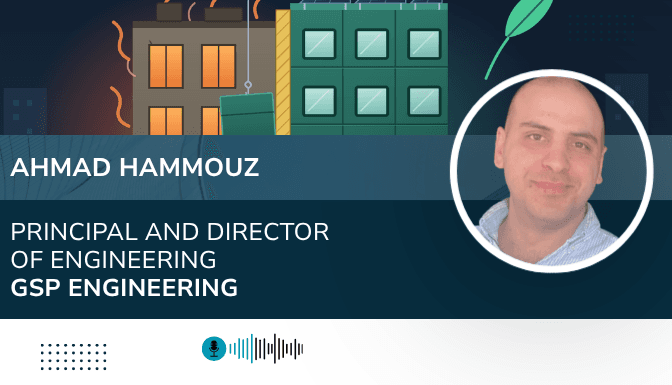
Principal and Director of Engineering | GSP Engineering
Ahmad holds a Bachelor of Science in Mechanical Engineering from the University of Manitoba, Canada. He is a registered Professional Engineer in Manitoba. He has over 10 years of experience specializing in energy modeling, energy auditing, mechanical building systems design, and mechanical construction management and estimating. As Principal and Director of Engineering at GSP Engineering, Ahmad leads efforts in creating sustainable, high-performance building solutions that prioritize energy efficiency and sustainability. In addition to his role at GSP Engineering, he is a Certification Reviewer for the Canadian Green Building Council (CAGBC) for a variety of green building programs, including LEED and Zero Carbon Buildings. Ahmad’s professional journey includes significant roles with Siemens, KMC, and other industry leaders, where he gained hands-on experience in building automation, project design, and project management. With a strong background in mechanical construction and building automation, he has managed and executed numerous large-scale projects in these areas. His expertise includes supervising the installation and commissioning of complex mechanical systems in the healthcare and education sectors. In his previous roles with companies like Siemens, he oversaw the installation and commissioning of Building Management Systems (BMS) for large-scale hospitals and schools. Additionally, Ahmad’s professional experience involved developing cost estimates through detailed assessment of project specifications and engineering drawings for industrial, commercial, and institutional projects utilizing advanced take-off software. He has worked on executing projects involving various types of engineering systems, including industrial process systems for water treatment plants & lift stations, building automation systems, hydronic heating and cooling systems, commercial refrigeration systems, HVAC systems, plumbing, natural gas, and propane systems.
